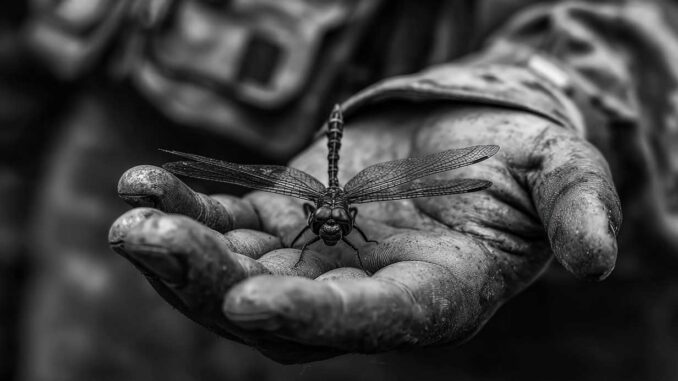
From biomimetic insects to killer drones, the miniaturization of flight systems is redefining lethality and espionage on modern battlefields.
In summary
The defense industry is entering the era of nanonization. Drones, once the size of airplanes, are now shrinking to a few centimeters. This extreme miniaturization allows for unprecedented infiltration into enclosed environments, transforming close combat. World powers are developing biomimetic systems that mimic insects for reconnaissance and targeted elimination. Equipped with high-definition sensors or microscopic lethal payloads, these vectors render front lines porous and critical infrastructure vulnerable. In the hands of the United States, China, or India, this disruptive technology poses major ethical and strategic challenges. The article explores the technical advances, current arsenals, and grim futures of a war where the attacker is potentially smaller than a wasp.
The rapid evolution toward aerial miniaturization
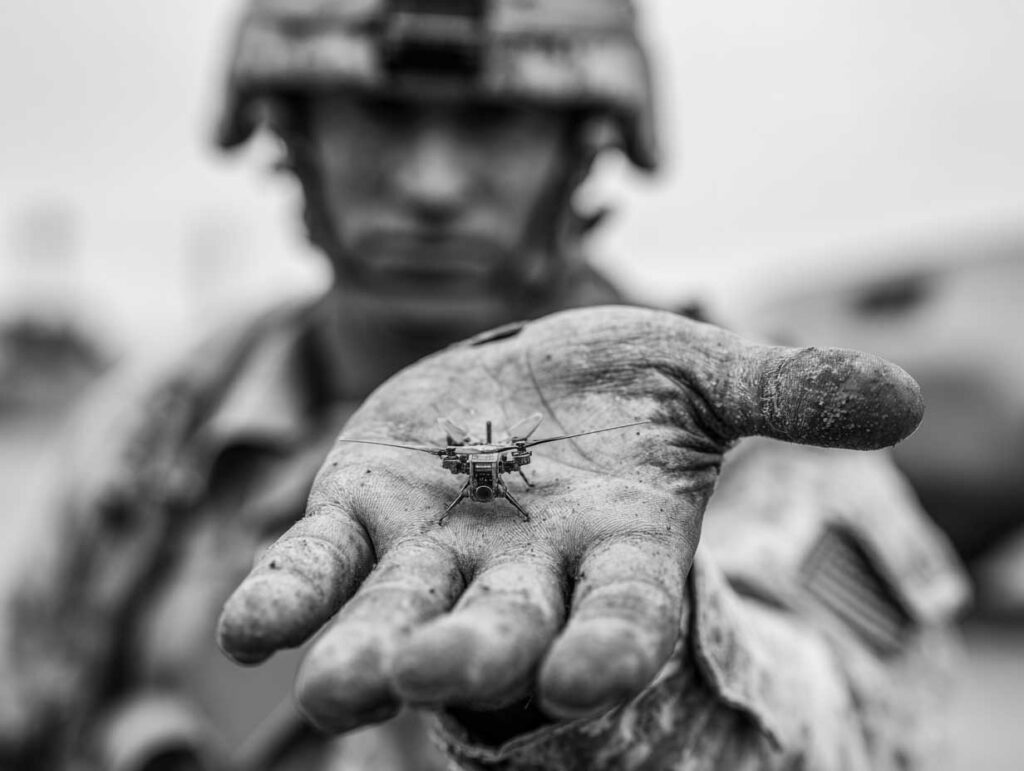
Modern warfare is no longer won by brute firepower alone. It is won by stealth and surgical precision. The nanonization of flying weapons represents the latest technological leap in this trend. A miniature drone, generally defined as having a wingspan of less than 15 centimeters (6 inches) and weighing less than 50 grams (1.76 ounces), offers capabilities that cruise missiles cannot achieve. These systems exploit the physics of micro-aerodynamics to navigate spaces saturated with obstacles. The goal is simple: to saturate the space with sensors and effectors invisible to the naked eye and undetectable by conventional radar.
The strategic importance of close-quarters combat
Urban combat and indoor operations are the most dangerous environments for infantry. In these scenarios, knowledge of the surrounding area is a matter of life and death. Micro-drones enable real-time reconnaissance without exposing soldiers. A drone the size of a hornet can slip through a ventilation shaft or an open window. Once inside, it maps the space in three dimensions using miniaturized LiDAR sensors. This ability to “see through walls” virtually changes the tactical planning of special forces.
Biomimetic technology of combat insects
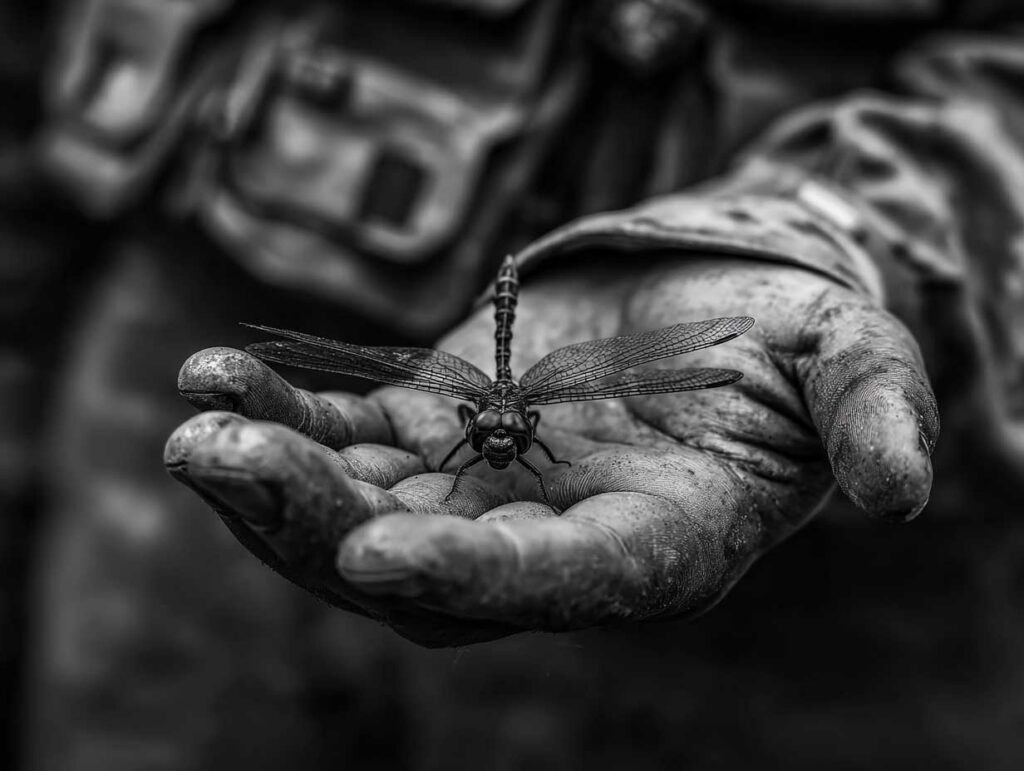
Engineering is now seeking to copy nature. Engineers at the Massachusetts Institute of Technology (MIT) and Harvard University are working on flexible actuators for bee-sized drones. These “RoboBees” use artificial muscles made of piezoelectric materials that contract when subjected to electrical voltage. This allows them to flap their wings at frequencies exceeding 120 hertz. The advantage of copying insects lies in their agility. A flapping-wing drone can perform evasive maneuvers that are impossible for a conventional quadcopter. It can stabilize itself despite the unstable air currents encountered in corridors or tunnels.
The concept of lethal injection by micro-robots
The imagination of science fiction is catching up with the reality of advanced research laboratories. The idea of a “wasp” drone capable of injecting a toxic substance or biological agent is no longer a utopian dream. Technically, this is based on microfluidics and microelectromechanical systems (MEMS). A miniature drone can carry a payload of a few milligrams of a powerful neurotoxin. The attack is no longer aimed at destruction through explosion, but through precise incapacitation. Even more worrying is that research into nanorobots suggests the possibility of injecting micrometric-sized machines. Once in the bloodstream, these robots could target specific organs or cause strokes that would be undetectable during an autopsy.
U.S. technological advances and the Black Hornet project
The United States currently dominates the pocket drone market with the Black Hornet 3, originally developed by Prox Dynamics (acquired by Teledyne FLIR). This drone weighs 33 grams (1.16 ounces) and measures approximately 16 centimeters (6.3 inches). It is already deployed by the US Army and many NATO forces. The Black Hornet can fly for 25 minutes with a range of 2 kilometers (1.24 miles). Although it is primarily a surveillance tool, the Pentagon is investing heavily through DARPA in the Fast Lightweight Autonomy (FLA) program. This program aims to give micro-drones the ability to navigate completely autonomously in unfamiliar environments without GPS, using only on-board artificial intelligence.
The Chinese response and mass production
China, through companies such as DJI and state research institutes, is banking on saturation by numbers. Zhejiang University recently demonstrated a swarm of ten miniature drones capable of navigating together in a dense forest without any human intervention. China excels in the miniaturization of electronic components and batteries. Their models, such as the Fengru micro reconnaissance drone, mimic birds or large insects. China’s strategy is based on “swarming”: sending hundreds of micro-vectors simultaneously to overwhelm enemy defenses. Even if 90% are destroyed, the remaining 10% are enough to complete the mission.
India’s emergence in micro-defense aeronautics
India is investing considerable resources as part of its “Make in India” initiative. The Defense Research and Development Organization (DRDO) is developing micro air vehicles (MAVs) such as the Black Kite and Golden Hawk. These drones are designed to monitor disputed borders in the Himalayas, where altitude and wind make flying difficult. India is particularly focused on the thermal resistance of its micro-components to operate in extreme environments. Indian startups, supported by government funds, are also exploring the use of ultra-light composite materials to increase flight range, which remains the main technological barrier.
The challenges of energy autonomy and data link
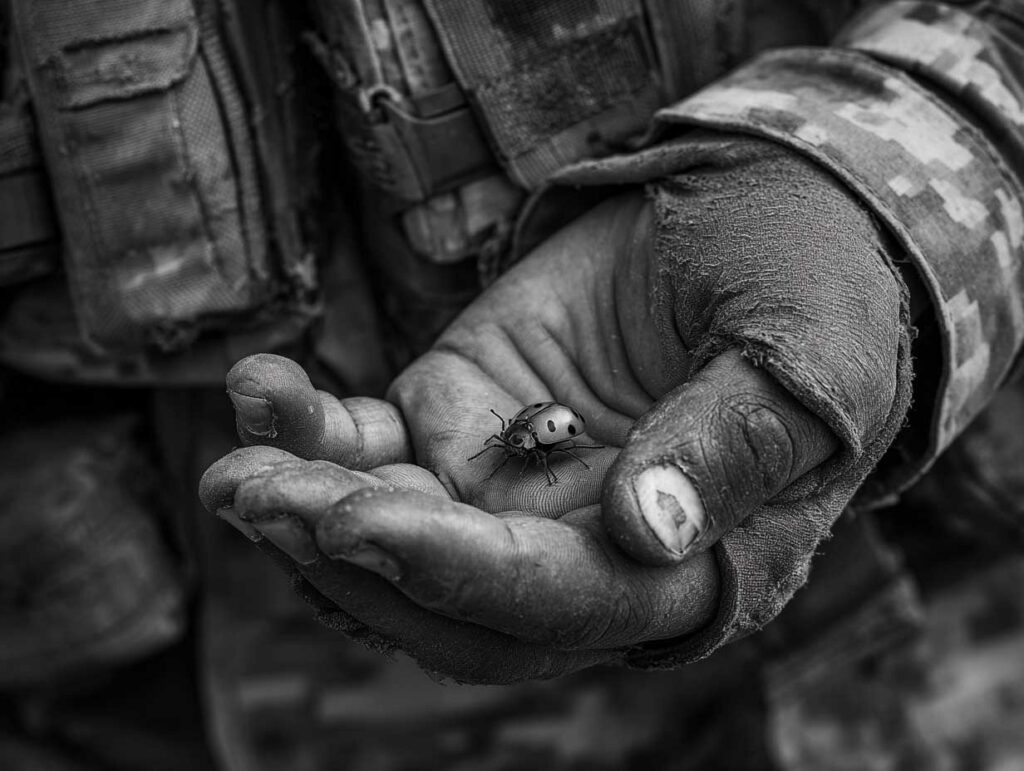
The main obstacle to total nanonization remains the energy density of batteries. At the scale of a ladybug, a lithium-polymer battery can only provide a few minutes of flight time. Researchers are therefore exploring alternatives such as laser energy transmission or the use of micro fuel cells. Another major challenge is data link. Conventional radio waves are easily jammed. The solution lies in decision-making autonomy: the drone must be able to identify its target and execute its mission without a constant link to an operator. This involves the integration of neuromorphic chips, which mimic the human brain to process images with minimal power consumption.
The diversity of tactical applications in the field
The potential uses of these technologies are vast and are redefining combat doctrine.
- Target marking: A micro-drone drops an infrared or chemical beacon on an enemy vehicle to guide a subsequent strike.
- Electronic sabotage: By landing on antennas or servers, fly-sized drones can inject malware through physical contact or jam short-range signals.
- Discreet targeted assassination: The injection of toxins mentioned above makes it possible to eliminate high-ranking commanders without collateral damage.
- Persistent surveillance: Insect drones can “perch” on walls and remain on standby for days, activating only when movement is detected.
- Miniature mine clearance: Identifying and neutralizing traps in buildings before troops enter.
The ethical framework and non-state proliferation
Extreme miniaturization poses a traceability problem. If a mosquito-sized drone commits an act of war, how can the aggressor be identified? Once the technology matures, the ease of production raises fears of proliferation to terrorist groups or non-state actors. Unlike ballistic missiles, micro-drones could be manufactured using high-precision 3D printers and repurposed consumer electronics components. The international community is just beginning to discuss banning lethal autonomous weapons systems (LAWS), but nanotechnology makes these regulations technically difficult to verify.
Smart materials and biological stealth
To achieve total discretion, researchers are working on visual and acoustic stealth. The use of metamorphic materials makes it possible to change the color of the drone’s shell so that it blends into its environment, like a chameleon. Acoustically, flapping wings are much quieter than rotating propellers, which produce a characteristic buzzing sound. By using piezoelectric polymers, the drones of tomorrow will make no more noise than a real insect. This fusion of biology and machine, often referred to as “cyborgization,” even includes the use of real insects whose nervous systems are controlled by implanted electrodes.
The integration of on-board artificial intelligence
Edge computing is at the heart of nanonization. A miniature drone cannot send high-definition video streams to a cloud for analysis due to latency and the transmission power required. AI must therefore be integrated locally. Processors such as Movidius’ Myriad X (Intel) or optimized RISC-V architectures already enable real-time object recognition with power consumption of less than 1 watt. This autonomy allows the swarm to coordinate organically: if one drone spots a threat, the information is passed on to the entire group without going through a command center.
The vulnerability of civil and military infrastructure
No barracks or government building is designed to stop a threat the size of a wasp. Current defense systems, such as iron domes or anti-drone laser cannons, are optimized for medium-sized targets. Radar detection of a 2-centimeter (0.78-inch) object flying at low altitude among birds and urban debris is a technical nightmare. This requires the development of new barriers: electromagnetic nets, systematic area jamming, or even the deployment of miniaturized “interceptor drones.”
The future of asymmetric conflicts and the end of privacy
The advent of nanotechnology in flying weapons marks a clear break in the history of weaponry. We are moving from an era of mass destruction to an era of surveillance and ubiquitous surgical neutralization. The battlefield is becoming global and permanent.
Individuals, whether soldiers or civilians, could find themselves under threat from an invisible vector at any moment. While this technology offers undeniable tactical advantages for the protection of troops, it also opens a Pandora’s box where the distinction between peace and war becomes blurred. The advantage will go to those who master not the biggest bomb, but the most complex swarm coordination software.
The race for miniature weapons has only just begun, and its consequences for national sovereignty remain to be seen. As defense budgets shift toward these micro-technologies, the reality of tomorrow’s warfare is taking shape: a silent, fast-paced, and incredibly small conflict.
Sources and references
- United States Department of Defense – Unmanned Systems Integrated Roadmap 2017-2042
- DARPA – Micro Technology Office – Program: Fast Lightweight Autonomy (FLA)
- Teledyne FLIR – Technical Specifications: Black Hornet 3 Personal Reconnaissance System
- Massachusetts Institute of Technology (MIT) – Soft Micro-robotics Research Lab
- Zhejiang University – Journal of Field Robotics: Swarm Intelligence in Complex Environments
- Defence Research and Development Organisation (DRDO) India – Annual Report on Micro Air Vehicles
- Harvard University – Wyss Institute: RoboBees Project Analysis
- International Committee of the Red Cross (ICRC) – Report on Autonomous Weapon Systems 2024
- Nature Electronics – “Neuromorphic computing for autonomous miniaturized systems”
- Jane’s Defense Weekly – Global Trends in Micro-Drone Proliferation
War Wings Daily is an independant magazine.