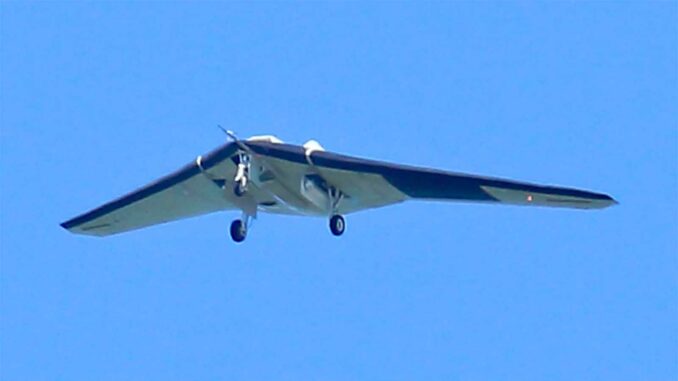
Operation Absolute Resolve mobilized RQ-170 and MQ-9 stealth drones to surveil and strike, leading to the capture of Nicolás Maduro on January 3, 2026. This daring raid highlights the rise of unmanned technologies in sensitive missions.
Summary
Operation Absolute Resolve, launched by the United States on January 3, 2026, resulted in the capture of Nicolás Maduro and his wife Cilia Flores in their fortified residence in Caracas. More than 150 aircraft, including RQ-170 Sentinel drones for stealth surveillance and MQ-9 Reapers for precision strikes, supported Delta Force special operations troops. This mission, planned over months, aimed to dismantle a network accused of narco-terrorism. Preliminary strikes on drug boats at sea and a coastal dock in Venezuela set the stage. The drones enabled persistent reconnaissance in the contested area, minimizing human risk. This intervention marks an escalation in regional tensions, with implications for Venezuelan sovereignty and the US strategy against drug trafficking. It illustrates how advanced technologies are redefining military operations, offering precision and discretion.
The context of Operation Absolute Resolve
Operation Absolute Resolve took place on the night of January 3, 2026. US forces targeted Nicolás Maduro, accused of leading a drug cartel designated as a terrorist organization by the US State Department in November 2025. This mission mobilized massive resources to extract Maduro and his wife from a military compound in Caracas.
Preparations took months. Sources indicate that US intelligence tracked Maduro’s movements using a combination of human informants and aerial surveillance. A full-scale replica of his residence was used for special forces training. Bad weather delayed the operation by several days, until conditions allowed for a nighttime assault.
More than 150 aircraft took off from 20 bases in the Western Hemisphere. Helicopters transported Delta Force commandos, who entered the site using tools such as blowtorches to force open doors. Maduro attempted to reach a bunker but failed and surrendered without major resistance. The operation lasted less than three hours, from 2:01 a.m. to 4:29 a.m. local time.
The pivotal role of the RQ-170 Sentinel in surveillance
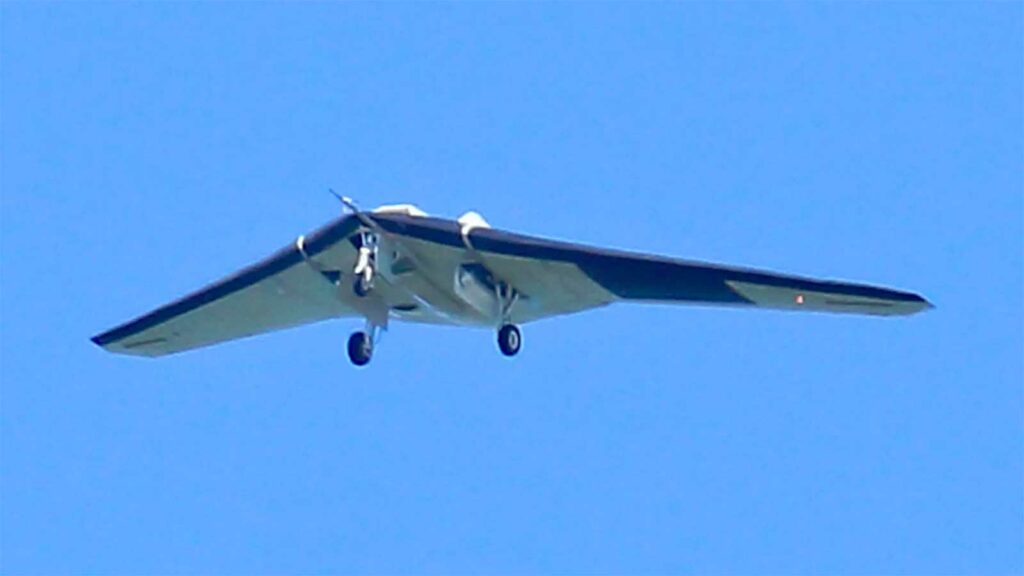
The RQ-170 Sentinel, developed by Lockheed Martin, played a central role in Maduro’s capture. This stealth drone, nicknamed “Wraith” or “Beast of Kandahar,” excels at reconnaissance missions in hostile environments. Its flying wing design gives it a low radar signature, ideal for operating over defended areas.
At least one RQ-170, possibly two, flew over Caracas during the operation. It provided persistent surveillance at high altitude, approximately 15,000 meters (50,000 feet). Equipped with active electronically scanned array radars and intelligent signal sensors, it detected ground movements and mapped Maduro’s living patterns. This data enabled the assault to be planned with precision, identifying guards and potential threats.
Open-source videos show an RQ-170 landing in Puerto Rico on January 3, 2026, confirming its deployment. This drone, introduced in 2007, has already seen service in Afghanistan and South Korea. In the Venezuelan case, it avoided air defenses, consisting of Russian systems such as the S-300, by operating discreetly. Its estimated range of 5,000 kilometers (3,100 miles) allowed it to remain on station for hours, relaying real-time feeds to commanders.
Kinetic strikes carried out by the MQ-9 Reaper
The MQ-9 Reaper, a versatile armed drone, carried out precision strikes before and during the operation.
Manufactured by General Atomics, this drone is 11 meters long (36 feet) and can carry up to 1,700 kilograms (3,800 pounds) of ammunition. It flies at 370 kilometers per hour (230 miles per hour) and can remain airborne for more than 27 hours.
Missile fragments found at the site indicate that AGM-114 Hellfire or AGM-179A JAGM missiles were used by MQ-9s. On December 24, 2025, a CIA MQ-9 struck a Venezuelan coastal dock, destroying facilities linked to the Tren de Aragua gang. This attack, the first known to have taken place inside Venezuela, targeted a drug storage site without causing any human casualties. It symbolized the US escalation against drug trafficking.
During Absolute Resolve, MQ-9s targeted three drug boats in convoy on December 30, 2025, in international waters. These strikes have destroyed more than 30 vessels since September 2025, killing approximately 100 people. The MQ-9s, deployed from bases in Puerto Rico, used missiles to neutralize naval threats, thereby protecting insertion forces. Their ability to operate unmanned reduced risks, unlike piloted missions.
The strategic importance of drones in regional operations
Drones have transformed operations in Venezuela by minimizing human exposure. The RQ-170 provided superior intelligence, avoiding losses associated with piloted flights in contested areas. Its stealth capability allowed it to bypass Venezuelan radar, covering a surveillance area of several hundred square kilometers.
The MQ-9 added a lethal component, with precision strikes guided by laser or GPS. These drones supported the “Southern Spear” campaign, launched in November 2025, which involved 15,000 U.S. military personnel in the Caribbean. Ships such as the aircraft carrier USS Gerald R. Ford served as platforms for the drones, extending their range of action.
This approach reflects a shift toward asymmetric warfare. Drones enabled discreet operations, such as the months-long surveillance of Maduro. They also incorporated elements of electronic warfare, jamming Venezuelan communications. In comparison, similar missions in the past, such as the capture of Manuel Noriega in Panama in 1989, required more ground troops.
The technical and ethical implications of the technologies used
Technically, the RQ-170 incorporates radar-absorbing composite materials, reducing its visibility to that of a bird. Its opto-electronic sensors capture high-resolution images day and night, at distances of over 100 kilometers (62 miles). The MQ-9, meanwhile, uses MTS-B pods to target with an accuracy of less than 1 meter (3 feet).
These tools have increased efficiency, but raise ethical questions. Strikes on ships have caused deaths without trial, described as extrajudicial executions by international observers. Venezuela has denounced a violation of sovereignty, filing a complaint with the UN. Drones facilitate unilateral interventions, risking escalating regional tensions.
Maduro, extradited to New York, faces charges of narco-terrorism. This operation could stabilize Venezuela by promoting an interim government, but it also risks causing prolonged instability, as seen in post-2003 Iraq.
The RQ-170 and MQ-9 drones have redefined the limits of military intervention. Their success in Venezuela encourages a rethinking of future strategies, where technology takes precedence over massive deployments. However, this dependence raises challenges: the proliferation of enemy drones could counteract these advantages. Operation Absolute Resolve demonstrates American mastery, but calls for vigilance regarding the long-term geopolitical consequences.
Sources:
- The War Zone: RQ-170 Sentinel Stealth Drone Supported Maduro Capture Mission
- Army Recognition: Secretive RQ-170 stealth drone used by U.S. forces ahead of missions to capture Venezuela’s Maduro
- Air & Space Forces Magazine: US Airpower Paved Way for Special Ops to Capture Venezuela’s Maduro
- The Times: How did the US capture Maduro: inside Trump’s audacious raid
- Aerotime: RQ-170 Sentinel linked to US capture of Venezuela’s Maduro
- BBC: Spies, drones and blowtorches: How the US captured Maduro
- Ground News: Secret Stealth Drone Oversaw Maduro Capture Raid
- Instagram: Reports on RQ-170 Sentinel
- Avgeekery: Operation Absolute Resolve: How 150+ Aircraft And Aviation Precision Defined The Capture Of Nicolás Maduro
- Wikipedia: Lockheed Martin RQ-170 Sentinel
- The War Zone: Missile Fragments Add To Evidence MQ-9 Reaper Drone Carried Out Venezuela Strike
- CNN: Exclusive: CIA carried out drone strike on port facility on Venezuelan coast
- New York Times: C.I.A. Conducted Drone Strike on Port in Venezuela
- Wikipedia: United States strikes on alleged drug traffickers during Operation Southern Spear
- WLRN: Venezuela bombing: Were U.S. fighter jet forays a rehearsal for a strike?
War Wings Daily is an independant magazine.