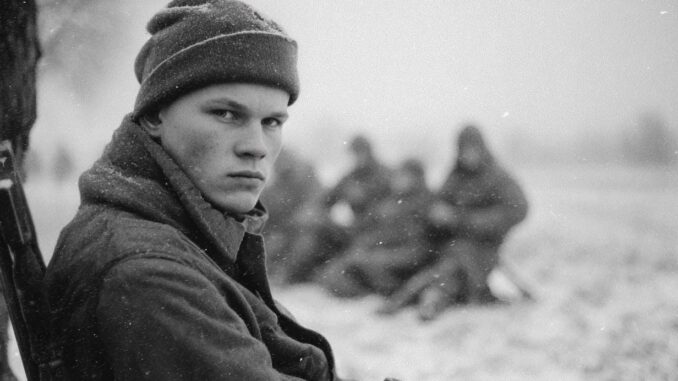
NATO reveals up to 25,000 Russian casualties per month in Ukraine. Detailed assessment of Russian and Ukrainian casualties, civilian casualties, recruitment, and military budgets impacted.
Summary
The North Atlantic Treaty Organization (NATO) has stated that Russian armed forces are suffering between 20,000 and 25,000 casualties each month on the Ukrainian front, a figure that illustrates the scale of the ongoing war of attrition. These losses mainly include soldiers killed, without always including the seriously wounded or missing, and add to the already high toll since the beginning of the conflict. Ukraine, for its part, is also suffering heavy military losses, while civilians on both sides are suffering from the ongoing violence. These human losses are influencing recruitment policies and the internal dynamics of the armed forces, and are forcing significant increases in military budgets in Russia, Ukraine, and among Western allies. The economics of the armed forces are under pressure, affecting the ability to maintain effective formations, robust logistics, and a steady supply of equipment. The strategic outcome of this war remains uncertain despite the scale of the human and financial sacrifices involved.
NATO announcement on monthly Russian casualties
NATO, through its Secretary General Mark Rutte, recently indicated that the Russian Federation is losing between 20,000 and 25,000 military personnel killed each month in combat in Ukraine. This estimate reflects the intensity of military engagements and the protracted nature of this conflict, which has been ongoing for more than four years.
These figures are compared to historical conflicts: Rutte mentioned that this level of monthly losses could equal or exceed the total losses of some prolonged wars of the 20th century. This highlights the exceptional violence of this theater of operations, even if the exact figures remain difficult to verify independently in real time, particularly on the Russian side, where official data is scarce or disputed.
Estimates also indicate that these losses do not only include deaths, but may also include missing persons and seriously wounded individuals who are no longer able to fight. Regardless of the method of calculation, the scale of Russian human losses on a monthly basis is undeniable and has profound implications for the dynamics of the conflict.
The cumulative toll of Russian military losses
Beyond the recent monthly estimate, several Western intelligence sources and specialized media outlets point to an extremely high overall toll of Russian losses since the invasion began in February 2022. Combined analyses suggest that total losses, including killed, wounded, and missing, could exceed several hundred thousand men.
For example, one report indicates that between January and August 2025, Russia suffered approximately 281,550 total casualties, including more than 86,000 killed, according to data disclosed by Ukrainian intelligence services.
These figures illustrate the scale of the fighting and the difficulty for Russia to maintain sufficient forces in the face of continued mobilization of Ukrainian units and logistical and material support from Western allies. Despite these losses, Moscow continues to deploy troops and reorganize its forces on various fronts.
Ukrainian military losses
Ukraine is also suffering significant human losses. According to various sources, even before 2025 and without fully consolidated figures, Ukrainian forces have suffered tens of thousands of killed and wounded since the start of the war.
Available data shows that Ukrainian forces have lost tens of thousands of soldiers killed and wounded throughout the conflict, with periods when monthly Ukrainian losses were estimated to be significant according to some analyses. These figures reflect the determination of Ukrainian troops, but also the intensity of fighting in the contested areas of Donbas and the south of the country.
Ukrainian casualties are often more difficult to estimate accurately due to differences in accounting methods between Kyiv, international sources, and independent estimates. Despite this, Ukraine continues to call for increased military and logistical support to compensate for these losses and maintain its defense capabilities.
Civilian casualties on both sides
In addition to military casualties, Ukrainian civilians have paid a heavy price since the invasion began. Bombing, urban combat, and the impact on critical infrastructure have caused thousands of deaths and injuries among the population. The actual civilian figures are difficult to ascertain, but they clearly show an ongoing humanitarian tragedy.
On the Russian side, the war has not been without consequences for civilian families, whether through the loss of loved ones who are soldiers or through the economic and social repercussions of partial mobilization and international sanctions. Russian society is facing increased demographic and social pressure, with lasting impacts on communities.
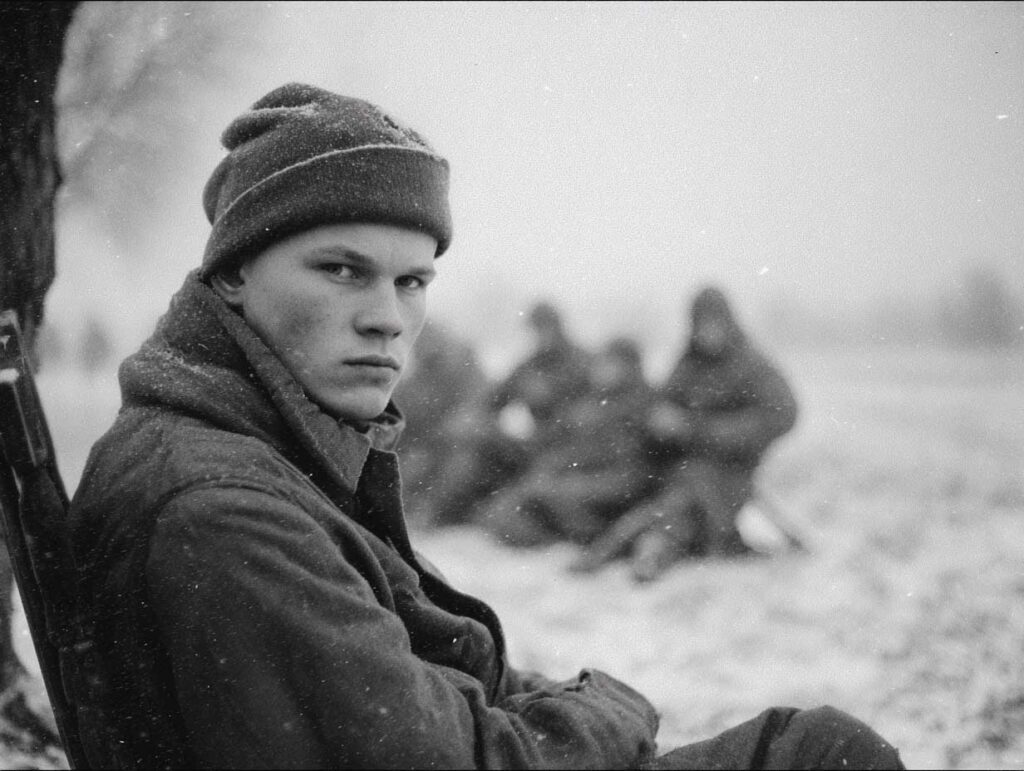
The impact on armed forces recruitment
Massive losses have a direct effect on recruitment and mobilization policies in Russia. Faced with high losses, Moscow has resorted to various measures to maintain combat strength, including partial mobilization and the formation of specialized units such as certain paramilitary formations.
Reports also suggest that Russia has attempted to compensate for these losses through a combination of voluntary recruitment, mobilization, and the integration of fighters via unconventional structures. This reflects a pressing demographic and political constraint on the Russian military, which must balance losses at the front with ongoing operational needs.
In Ukraine, recruitment is supported by strong national sentiment and international aid. Kyiv has mobilized a large part of its available population and enjoys ongoing support to train and equip new units, which contributes to its resilience on the ground despite human losses.
The impact on military budgets
Human losses inflict a colossal financial cost. Maintaining operational armed forces, training new soldiers, renewing equipment, and supporting logistics generate massive expenditures. Since the start of the war, Russian and Ukrainian military budgets have increased significantly, although budget sources and priorities differ.
Russia, despite economic growth constrained by international sanctions, continues to prioritize funding for its armed forces and equipment production. This rearmament is taking place in a difficult economic context, with military spending accounting for an increasing share of the national budget.
Ukraine, with an initial budget much more modest than Russia’s before the invasion, has seen its military spending skyrocket, driven by the need to defend its territorial integrity and supported by significant financial and material aid from its Western partners.
Training and adaptation of the armed forces
Beyond recruitment, human losses affect unit training and operational experience. The armed forces must constantly integrate inexperienced recruits and train them quickly to compensate for losses at the front. This dynamic weighs on the quality of the available forces, the cohesion of the units, and the ability to conduct complex operations.
Both sides must adapt their training strategies to respond to a war of attrition unprecedented in Europe for decades. This includes teaching modern tactics, familiarizing troops with advanced technologies, and building resilience in the face of significant human losses.
A transformed strategic landscape
Current estimates of monthly and cumulative losses show a deeply destructive war that has transformed the Russian and Ukrainian armed forces. The impact on social structures, state budgets, and political orientations is significant.
As the fighting continues, the ability of nations to manage these losses, replenish their forces, and sustain their economic efforts will largely determine the future of the conflict. The current strategic stalemate highlights the human and financial limits of a prolonged conflict and reminds us that modern warfare, beyond technology, remains a profound human tragedy.
Sources
NATO estimates Russian monthly military casualties
Casualties of the Russian-Ukrainian war Wikipedia
Human casualties fr Wikipedia
Status of Russian and Ukrainian armed forces Wikipedia
Context Russian casualties NATO Mark Rutte news
War Wings Daily is an independant magazine.